

Why Tanzania Remains One of Africa’s Greatest Travel Destinations
Tanzania remains one of Africa’s greatest travel destinations because it offers an unparalleled combination of natural beauty, wildlife diversity, and rich cultural heritage. From the vast savannahs of the Serengeti to the snow-capped peak of Mount Kilimanjaro, and from the pristine beaches of Zanzibar to the remote wilderness of Ruaha and Selous, Tanzania showcases some of the continent’s most iconic landscapes. Visitors are drawn not only to its stunning scenery but also to its world-class safari experiences, where the chance to see lions, elephants, rhinos, and rare species like wild dogs in their natural habitat is virtually guaranteed.
Beyond its wildlife, Tanzania is a cultural treasure trove, home to over 120 ethnic groups whose traditions, music, and art create a vibrant social fabric. Historical towns like Bagamoyo and Stone Town tell stories of centuries-old trade, colonial history, and Swahili culture, while local communities welcome visitors with warmth and authenticity. Adventure travelers can trek through the Mahale Mountains or climb Africa’s highest peak, while relaxation seekers can unwind on the powdery white beaches of Zanzibar, Pemba, or Mafia Island, making Tanzania a destination that caters to every type of traveler.
Tanzania’s appeal also lies in its accessibility and diversity of experiences. Whether exploring remote islands, cruising Lake Tanganyika, or observing the breathtaking Great Migration, travelers can enjoy both iconic attractions and off-the-beaten-path adventures. With a focus on conservation, sustainable tourism, and responsible travel, Tanzania ensures that its natural and cultural wonders are preserved for generations to come. This combination of wildlife, culture, adventure, and pristine landscapes firmly establishes Tanzania as one of the most captivating and memorable destinations in Africa.
This article explores ten destinations that define Tanzania’s global travel reputation, explaining what makes each unique and why they continue to attract serious travelers, researchers, conservationists, and adventure seekers.
1. Serengeti National Park
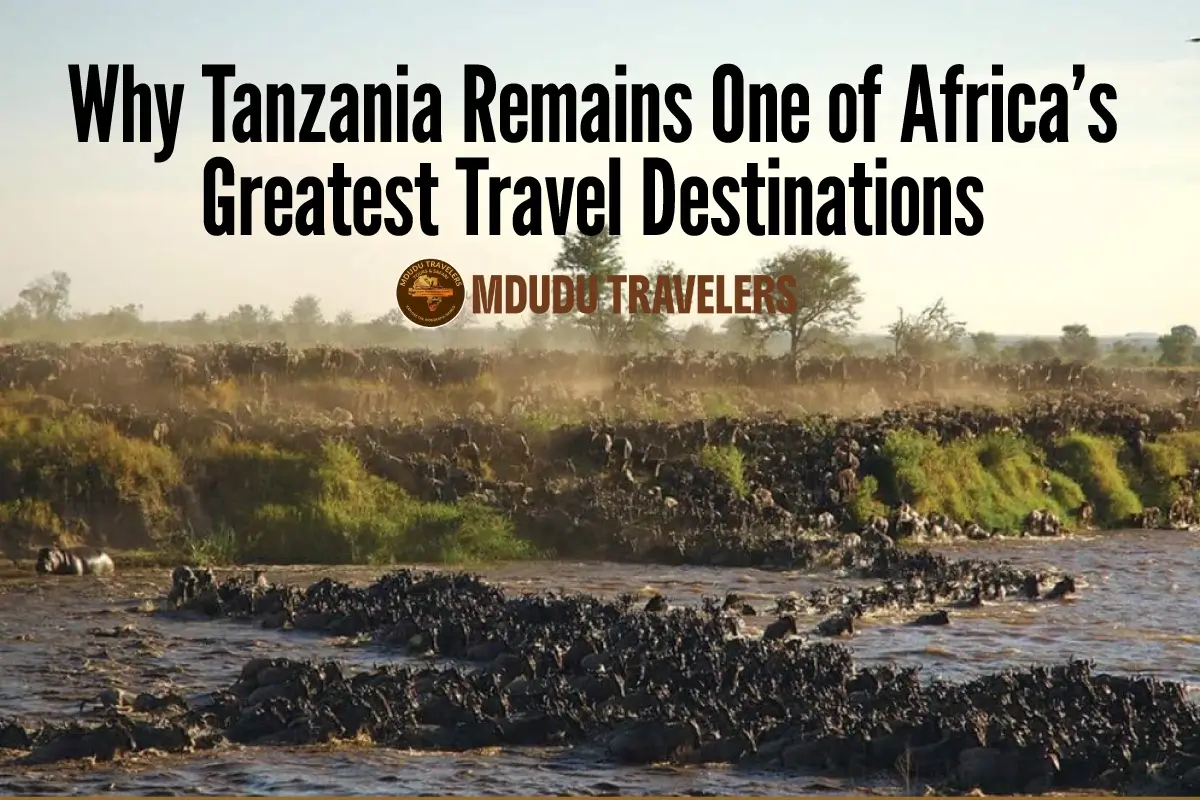
Serengeti National Park is one of Africa’s most famous wildlife destinations, located in northern Tanzania and covering nearly 15,000 square kilometers. Tourists usually ask what makes it special, and the simple answer is scale and wildlife density. The park is home to the Great Migration, where over a million wildebeest, along with hundreds of thousands of zebras and gazelles, move in search of fresh grazing between Serengeti and Kenya’s Maasai Mara. Visitors can expect to see the “Big Five” (lion, leopard, elephant, buffalo, and rhino), plus cheetahs, hyenas, giraffes, hippos, and more than 500 bird species. Wildlife viewing is excellent year-round, but animal movements vary by season.
Another common tourist question is when to visit and what activities are available. The Serengeti can be visited throughout the year, but the experience changes by month. From December to March, the southern Serengeti is known for calving season, which attracts many predators. Between June and October, the dry season offers easier wildlife spotting and dramatic river crossings in the western and northern Serengeti. Activities mainly include game drives, guided by professional safari guides, but some areas also allow hot air balloon safaris, which give a unique aerial view of the plains and wildlife at sunrise.
Tourists also want to know about accommodation, access, and conservation rules. The park has a wide range of lodges and tented camps, from basic to luxury, many located close to key wildlife areas. Serengeti can be reached by road from Arusha or by small aircraft landing on airstrips inside the park. Visitors are required to follow park regulations, such as staying on designated tracks, not disturbing animals, and respecting speed limits, which helps protect the ecosystem. These rules ensure that tourism supports conservation while allowing visitors to experience one of the most important wildlife ecosystems in the world.

2. Mount Kilimanjaro
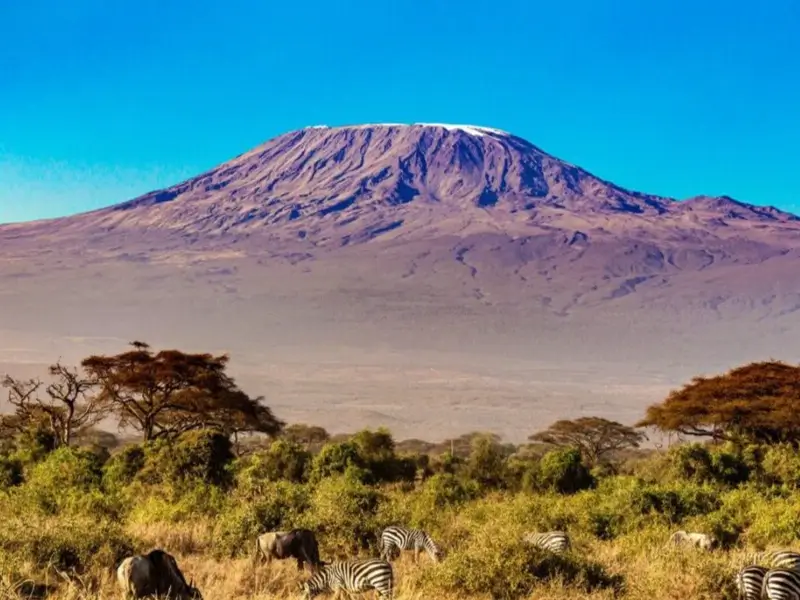
Mount Kilimanjaro is Africa’s highest mountain, rising to 5,895 meters above sea level in northern Tanzania near the Kenya border. Tourists often ask what makes it unique, and the key point is that Kilimanjaro is a free-standing volcanic mountain, not part of a mountain range. It has three volcanic cones—Kibo, Mawenzi, and Shira—with Uhuru Peak on Kibo being the highest point. One of the biggest attractions is that climbers pass through several climate zones, from tropical rainforest at the base to alpine desert and icy conditions near the summit, all within a few days.
A common question from visitors is whether climbing Mount Kilimanjaro is difficult and who can attempt it. Kilimanjaro does not require technical climbing skills, so no ropes or mountaineering experience are needed, but it is physically demanding. The main challenge is altitude sickness, which can affect anyone regardless of fitness. For this reason, tourists are advised to choose longer routes that allow gradual acclimatization, such as the Machame or Lemosho routes. Most climbs take between 5 and 9 days, and reaching the summit depends on proper pacing, hydration, and listening to guides.
Tourists also want to know about the best time to climb and practical arrangements. The best months are generally January to March and June to October, when weather conditions are more stable and rainfall is lower. All climbers must use licensed guides and porters, as required by Tanzanian regulations, which also supports local employment. Accommodation during the climb is in tents or huts, depending on the route, and climbers should prepare for cold temperatures at night, especially near the summit. With proper planning and realistic expectations, Mount Kilimanjaro offers a challenging but achievable adventure for many travelers.
3. Selous National Park (Nyerere National Park)
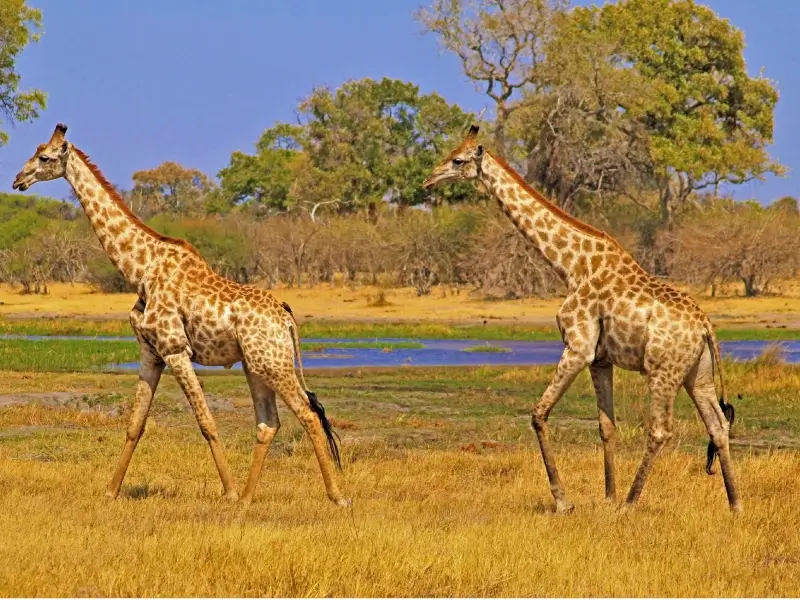
Selous National Park, officially renamed Nyerere National Park, is one of Tanzania’s largest protected areas, covering over 50,000 square kilometers in the southern part of the country. Tourists often ask why it’s special, and the answer lies in its size, biodiversity, and relatively untouched wilderness. Unlike the more crowded northern parks like Serengeti, Selous offers a more remote and serene safari experience. The park is home to large populations of elephants, lions, African wild dogs, hippos, crocodiles, and over 400 bird species. It also includes the Rufiji River, which is vital for boat safaris and supports thriving wildlife along its banks.
Visitors commonly ask about the best activities and how to experience the park. Game drives are the main attraction, offering sightings of elephants, buffalo, and predators in open plains or forested areas. Boat safaris along the Rufiji River provide a unique perspective of hippos, crocodiles, and birdlife, and walking safaris are available with trained guides for a closer connection to nature. Unlike northern parks, Selous allows longer safari routes with fewer vehicles, giving tourists a sense of solitude and adventure that many seek.
Tourists also want to know about logistics, accommodation, and regulations. Selous is accessible by road from Dar es Salaam or via small aircraft landing at airstrips within the park. Accommodation ranges from luxury lodges and tented camps to more basic safari camps, often located close to rivers or wildlife hotspots. As with all Tanzanian national parks, visitors must follow strict rules: stay in vehicles except on guided walks, avoid disturbing wildlife, and respect local conservation laws. These measures help maintain Selous as a pristine wilderness where tourists can experience Africa’s wildlife in a quieter, less commercialized setting.inimal crowd pressure. This makes Selous critical for long-term wildlife conservation in East Africa.
4. Ruaha National Park
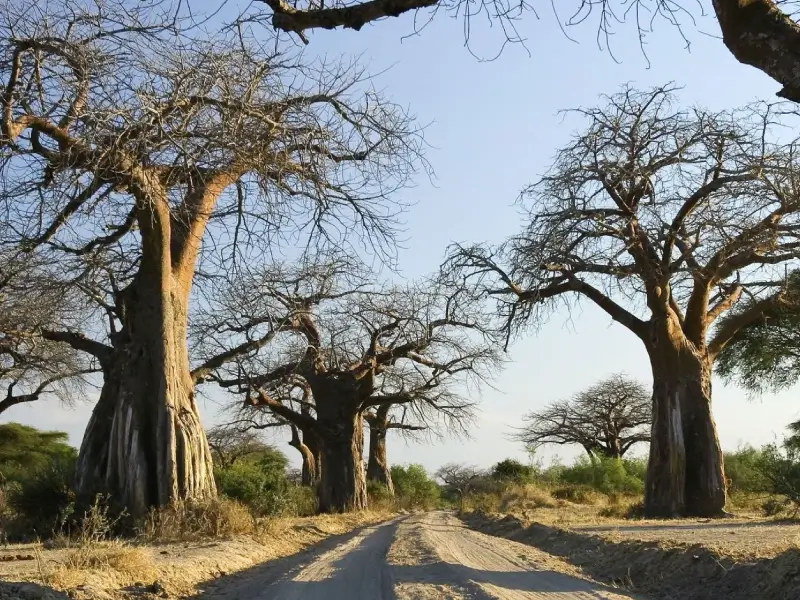
Ruaha National Park is Tanzania’s largest national park, covering over 20,000 square kilometers in the country’s central-southern region. Tourists often ask why it’s worth visiting, and the answer is its combination of size, diversity, and relative seclusion. Ruaha is famous for its large elephant herds, lions, leopards, and African wild dogs, as well as over 500 bird species. The park’s landscape includes baobab-studded plains, rolling hills, and the Great Ruaha River, which attracts wildlife and makes for excellent photographic opportunities. Unlike the busier northern parks, Ruaha offers a more remote safari experience where visitors often feel like they have the wilderness to themselves.
A common tourist question is about the best activities and safari experiences. Game drives are the main way to see wildlife, but Ruaha also offers walking safaris and boat trips along the Great Ruaha River during the wetter months. The dry season, from June to October, is ideal for wildlife spotting because animals concentrate near rivers and waterholes. Tourists can expect to see predators actively hunting, large herds of elephants, and a variety of antelope species, making it a favorite destination for serious wildlife photographers and nature enthusiasts.
Visitors also ask about access, accommodation, and park rules. Ruaha can be reached by road from Iringa or via small domestic flights to nearby airstrips. Accommodation ranges from luxury lodges to tented camps, many located close to wildlife hotspots along the river. Tourists must follow park regulations, including staying in vehicles except on guided walks, respecting wildlife distances, and not littering, which helps preserve the park’s ecosystem. These rules, combined with Ruaha’s size and diversity, make it a top choice for travelers seeking a quiet, authentic African safari experience.among experienced safari travelers and researchers seeking raw, less-commercialized wilderness.
5. Ngorongoro Conservation Area
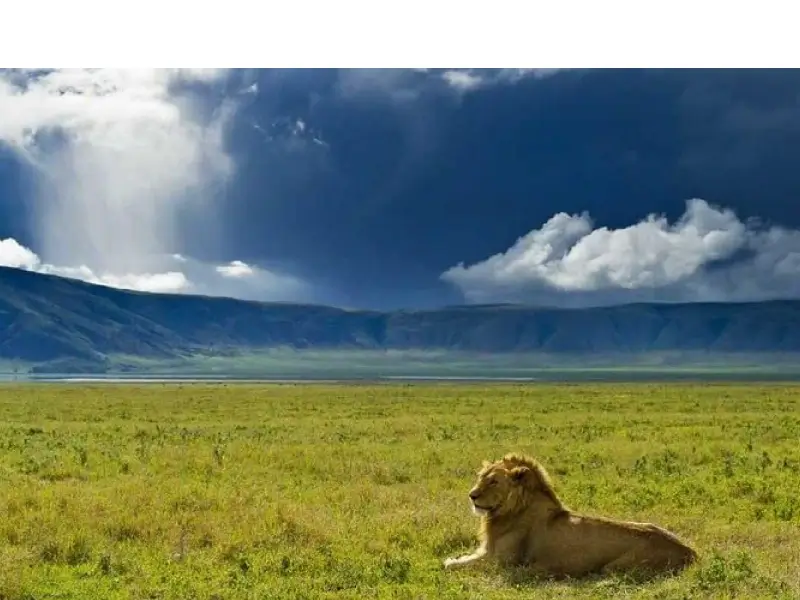
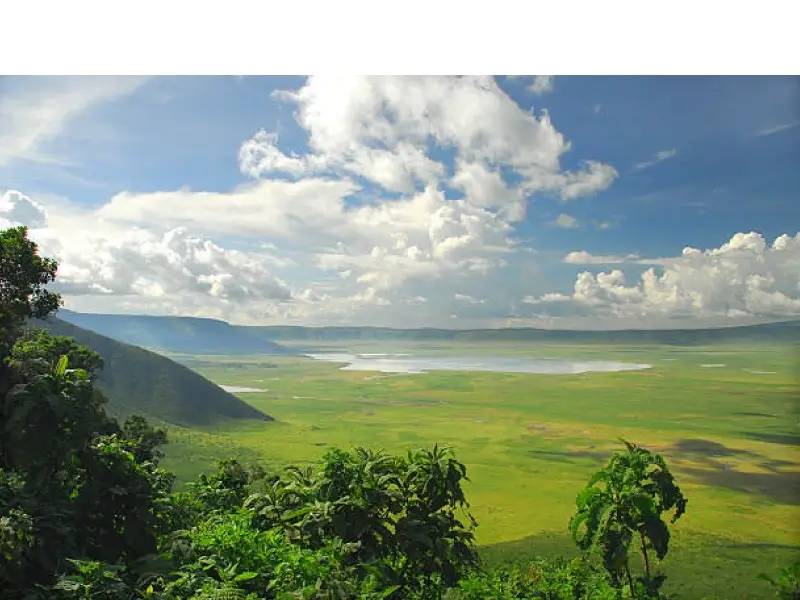
Ngorongoro Conservation Area (NCA) is a UNESCO World Heritage Site in northern Tanzania, famous for its unique combination of wildlife, culture, and geology. Tourists often ask what makes it special, and the key feature is the Ngorongoro Crater, the world’s largest intact volcanic caldera. The crater spans about 260 square kilometers and is home to thousands of animals, including lions, elephants, rhinos, zebras, and wildebeest. Unlike other parks, the conservation area also includes Maasai communities who live and graze cattle alongside wildlife, giving visitors a rare opportunity to see how humans and animals coexist in the same landscape.
A frequent question from visitors is about the best ways to experience wildlife and scenery. Game drives in the crater are the main activity, offering some of the most predictable wildlife sightings in Africa due to the high concentration of animals in a relatively small area. The area also includes scenic highlands, crater rim viewpoints, and Ngorongoro’s surrounding savannahs, which are excellent for photography and birdwatching. Visitors can combine wildlife viewing with cultural experiences, such as visiting Maasai villages, learning about traditional practices, and observing cattle herding.
Tourists also want to know about access, accommodation, and park rules. NCA is reachable by road from Arusha, usually taking 3–4 hours, and some flights land at nearby airstrips. Accommodation options range from luxury lodges on the crater rim to budget campsites, allowing visitors to choose based on preference and budget. Strict rules protect the wildlife, including staying on designated tracks, limiting vehicle numbers in the crater, and avoiding disturbing animals. These regulations help preserve Ngorongoro’s delicate ecosystem while offering tourists one of the most remarkable safari and cultural experiences in Tanzania.
6. Western Tanzania
Western Tanzania is a region of Tanzania known for its rich natural landscapes, cultural diversity, and less-visited safari destinations. Tourists often ask why they should explore this part of the country, and the answer lies in its combination of wilderness, lakes, and mountains. Key attractions include Mahale Mountains National Park, famous for chimpanzee trekking, Gombe Stream National Park, where Jane Goodall conducted her groundbreaking research on chimpanzees, and the vast Lake Tanganyika, the world’s second-deepest freshwater lake. The region is also home to unique wildlife, including elephants, hippos, crocodiles, lions, and a variety of bird species, offering visitors a quieter and more intimate safari experience compared to northern Tanzania.
Visitors often ask about the types of activities available in Western Tanzania. The region is ideal for trekking, wildlife safaris, and primate tracking, particularly chimpanzees in Mahale and Gombe. Lake Tanganyika offers opportunities for fishing, boat trips, and relaxing along its scenic shores. Birdwatching and nature photography are popular due to the variety of habitats, from dense forests and savannahs to freshwater ecosystems. For tourists seeking adventure off the typical safari circuit, Western Tanzania provides a more remote and authentic experience, often with fewer crowds and unspoiled natural landscapes.
Tourists also want to know about logistics, accommodation, and access. Western Tanzania is less accessible than the northern safari circuit, with travel typically by small aircraft or long road journeys from cities like Kigoma or Tabora. Lodging ranges from eco-lodges and tented camps in national parks to simple guesthouses in nearby towns. Visitors are required to follow park regulations, such as remaining on designated trails and respecting wildlife, to protect these fragile ecosystems. This combination of remoteness, rich biodiversity, and cultural heritage makes Western Tanzania an attractive destination for adventurous travelers looking to explore beyond the usual safari routes.
7. Unguja Island (Zanzibar)
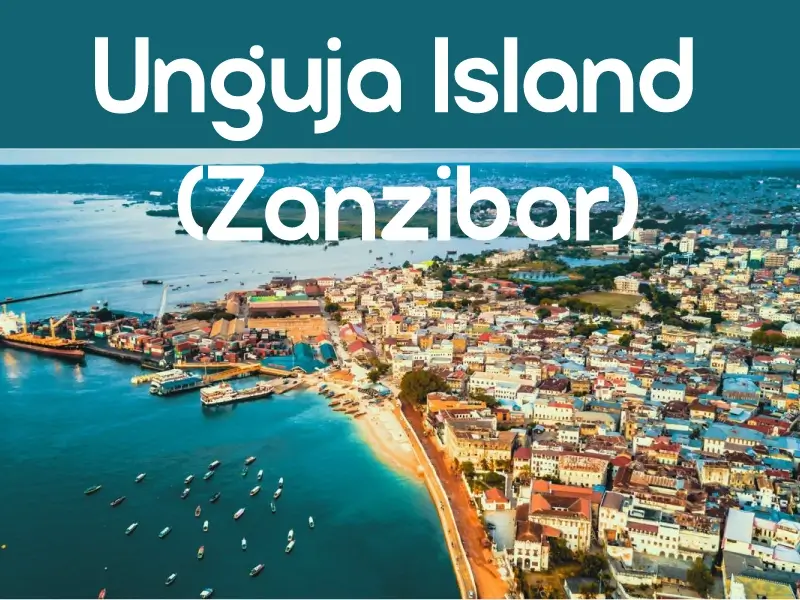
Unguja Island, commonly known as Zanzibar Island, is the main island of the Zanzibar Archipelago, located off the coast of Tanzania in the Indian Ocean. Tourists often ask what makes it special, and the answer lies in its unique combination of history, culture, and natural beauty. Unguja is famous for its white sandy beaches, turquoise waters, and coral reefs, making it a top destination for snorkeling, diving, and relaxing seaside vacations. The island is also rich in history, particularly in Stone Town, a UNESCO World Heritage Site known for its narrow streets, Arab architecture, spice markets, and centuries-old cultural heritage.
Visitors often ask about activities and experiences on the island. Popular options include exploring Stone Town’s historical sites, taking spice farm tours to see the island’s famous cloves, cinnamon, and nutmeg, and enjoying water sports such as kite surfing, sailing, and deep-sea fishing. Tourists can also take boat trips to nearby islands, like Prison Island, home to giant tortoises, or Mnemba Atoll, renowned for snorkeling and marine life. Unguja’s diverse activities allow visitors to combine culture, history, and adventure with relaxation on pristine beaches.
Tourists also want to know about logistics, accommodation, and local customs. Unguja is accessible via flights to Zanzibar International Airport or ferries from Dar es Salaam. Accommodation ranges from luxury resorts and boutique hotels to budget guesthouses, often located near beaches or in Stone Town. Visitors are advised to respect local customs, including modest dress in towns and villages, and to follow guidelines for sustainable tourism, such as protecting coral reefs and marine life. With its mix of cultural richness, natural beauty, and warm hospitality, Unguja Island offers a memorable and diverse travel experience.
Zanzibar’s appeal lies in its balance between history, relaxation, and accessibility.
8. Pemba Island
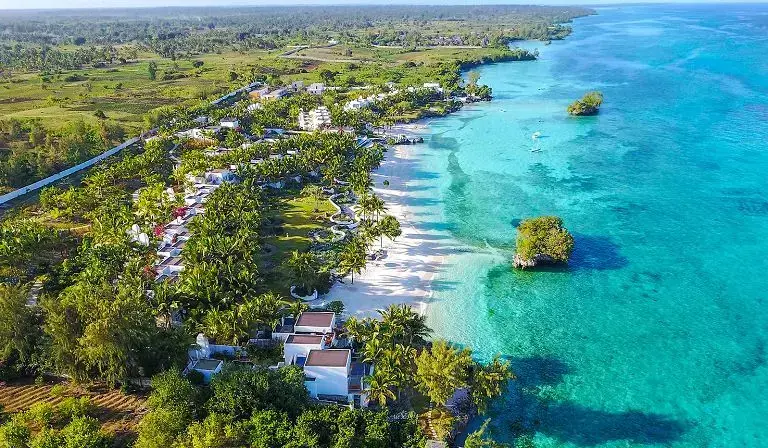
Pemba Island is part of the Zanzibar Archipelago in Tanzania and is located north of Unguja (Zanzibar Island). Tourists often ask what makes Pemba special, and the answer lies in its unspoiled natural beauty, lush greenery, and rich marine life. Unlike the busier Unguja, Pemba is quieter and less developed, making it ideal for travelers seeking tranquility and authentic experiences. The island is known for its fertile soil, producing cloves, cinnamon, and other spices, earning it the nickname “The Green Island.” Its waters are rich in coral reefs, making it a top destination for snorkeling, scuba diving, and fishing.
Visitors often ask about activities and attractions on the island. Pemba is famous for diving and snorkeling at pristine coral reefs, especially around Misali Island and Chake Chake Bay, where colorful fish, dolphins, and sometimes turtles can be seen. Spice tours on the island give tourists a chance to learn about traditional farming and harvesting of cloves, nutmeg, and cinnamon. For those who enjoy hiking, the island offers scenic walks through dense forests, plantations, and villages, providing insight into local life and culture.
Tourists also want to know about access, accommodation, and etiquette. Pemba can be reached by air via Pemba Airport or by ferry from Unguja and the Tanzanian mainland. Accommodation ranges from small eco-lodges and boutique resorts to simple guesthouses, offering a quiet and personalized experience. Visitors are advised to respect local traditions, including modest dress and community customs, and to follow marine conservation rules while diving or snorkeling. Pemba Island is ideal for travelers seeking a peaceful, natural, and culturally rich destination away from crowded tourist spots.
9. Mafia Island
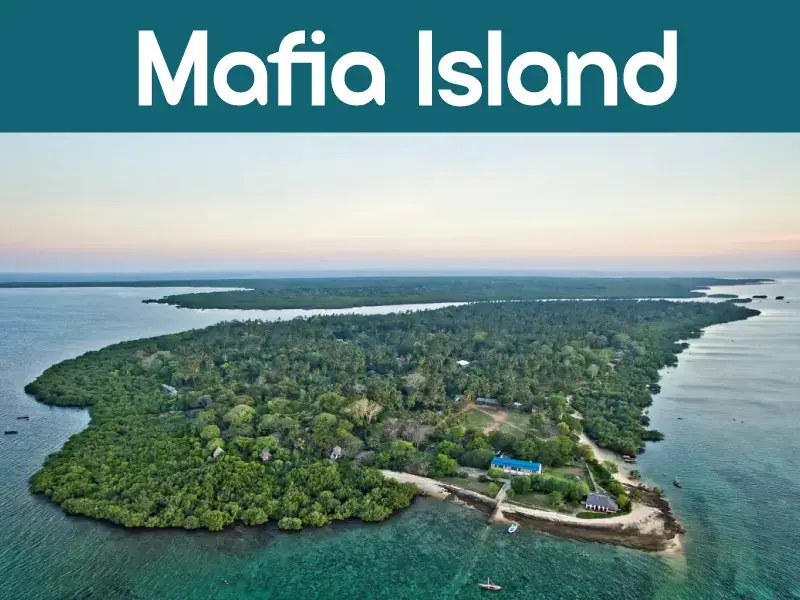
Mafia Island is a small island off the southern coast of Tanzania, part of the Mafia Archipelago in the Indian Ocean. Tourists often ask what makes it special, and the answer is its unspoiled natural environment and marine biodiversity. The island is much quieter and less commercialized than Zanzibar or Pemba, making it ideal for travelers looking for peace and a close connection with nature. Mafia Island is part of the Mafia Island Marine Park, which protects coral reefs, mangroves, and seagrass beds, providing habitats for dolphins, sea turtles, whale sharks, and colorful reef fish.
Visitors often ask about activities and attractions on the island. The main draws are diving, snorkeling, and fishing, with some of the best coral reefs in East Africa located around the island. Swimming with whale sharks is a seasonal highlight from October to March. Tourists can also explore fishing villages, mangrove forests, and beautiful, secluded beaches. The island’s small size makes it easy to explore by bicycle or boat, giving visitors a relaxed, slow-paced experience that emphasizes nature and culture.
Tourists also want to know about access, accommodation, and local customs. Mafia Island can be reached by air via Mafia Airport or by boat from the Tanzanian mainland. Accommodation is mostly eco-lodges, boutique resorts, and guesthouses, offering a peaceful, intimate stay close to nature. Visitors are advised to respect local traditions, dress modestly when in villages, and follow marine park guidelines to protect coral reefs and marine life. Mafia Island is ideal for travelers seeking a quiet, authentic, and environmentally conscious island experience.scious travelers.
10. Mnemba Island & Fanjove Private Islands
Mnemba Island is a tiny private island off the northeastern coast of Unguja (Zanzibar), renowned for its exclusivity, luxury, and exceptional marine life. Tourists often ask why it’s special, and the answer lies in its pristine coral reef, crystal-clear waters, and private beach experience. The island is surrounded by a protected marine conservation area, making it a top destination for snorkeling, diving, and spotting dolphins, turtles, and colorful reef fish. Access is strictly controlled, so visitors enjoy privacy, seclusion, and a highly personalized stay.
Visitors often ask about activities on Mnemba Island. The main attractions are snorkeling and diving on the surrounding reef, which is considered one of the best in East Africa. Guests can also enjoy kayaking, sailing, or relaxing on the powdery white sand beaches. Since it’s a private island, tourism is limited to small numbers of guests, ensuring an intimate and peaceful experience. Many luxury lodges provide all-inclusive services, including guided water activities, fine dining, and spa treatments, making it a perfect destination for honeymooners or those seeking a tranquil escape.
Fanjove Private Island, part of the Songosongo Archipelago in southern Tanzania, is another exclusive private island popular with high-end travelers. Tourists often ask what sets it apart, and the answer is its remoteness, unspoiled beaches, and excellent diving opportunities. The island is surrounded by vibrant coral reefs and clear waters, home to dolphins, turtles, and a variety of tropical fish. Activities include scuba diving, snorkeling, deep-sea fishing, and exploring the surrounding islands by boat. Accommodation is limited to a few luxury eco-lodges, providing privacy, comfort, and personalized service. Both Mnemba and Fanjove offer travelers unique, secluded island experiences with world-class marine activities and natural beauty.n.
11. Mahale Mountains National Park
Mahale Mountains National Park is a remote and pristine wildlife destination located in western Tanzania along the eastern shores of Lake Tanganyika. Tourists often ask what makes it special, and the answer is its combination of stunning landscapes and unique primate experiences. The park is famous for its population of wild chimpanzees, one of the largest in Tanzania, and dense tropical forests that climb the rugged Mahale Mountains. Unlike the more popular northern safari parks, Mahale is quiet, off the beaten path, and offers an intimate connection with nature and wildlife.
Visitors often ask about the main activities and experiences in Mahale. Chimpanzee trekking is the highlight, guided by trained trackers who ensure safe and responsible viewing of these fascinating primates in their natural habitat. The park also offers hiking opportunities through forests and along the mountains, providing breathtaking views of Lake Tanganyika. Canoeing, swimming, and relaxing on the lake’s pristine beaches are additional attractions, making Mahale a destination that combines wildlife adventure with tranquil natural beauty.
Tourists also want to know about logistics, accommodation, and regulations. Mahale is accessible mainly by chartered flight from Kigoma or by boat along Lake Tanganyika, making it one of Tanzania’s more remote parks. Accommodation is limited to eco-lodges and tented camps, emphasizing sustainable tourism and minimal impact on the environment. Visitors must follow strict park rules, such as maintaining distance from wildlife and trekking only with guides, which helps protect the chimpanzees and their forest habitat. Mahale Mountains National Park offers an extraordinary, off-the-beaten-path experience for travelers seeking wildlife, adventure, and natural serenity.
12. Lake Tanganyika
Lake Tanganyika is one of Africa’s most remarkable natural features, stretching along the western border of Tanzania, with portions in Burundi, the Democratic Republic of Congo, and Zambia. Tourists often ask what makes it special, and the answer lies in its size, depth, and biodiversity. It is the world’s longest freshwater lake and the second deepest, reaching over 1,400 meters in depth. Lake Tanganyika is home to hundreds of unique fish species, particularly cichlids, which attract scientists, divers, and fishing enthusiasts from around the world. Its clear, calm waters and surrounding mountains also create breathtaking scenery for visitors.
Visitors often ask about activities and experiences on the lake. Popular options include swimming, kayaking, and sailing along the scenic shores. Diving and snorkeling are excellent due to the lake’s clear waters and rich underwater life, including endemic fish species. Tourists can also take boat trips to explore small islands such as Chumbe, Pemba, and various fishing villages along the Tanzanian coast, offering cultural interaction and an authentic local experience. The lake is ideal for nature lovers and those seeking a tranquil escape with opportunities for photography, birdwatching, and relaxation.
Tourists also want practical information about access and accommodation. Lake Tanganyika is accessible via road or domestic flights to towns like Kigoma, the main gateway on the Tanzanian side. Accommodation ranges from eco-lodges and boutique resorts to guesthouses in lakeside towns, providing options for different budgets. Visitors are advised to respect local fishing practices, avoid disturbing wildlife, and follow safety guidelines while swimming or boating. With its combination of natural beauty, biodiversity, and cultural richness, Lake Tanganyika is a must-visit destination for travelers exploring western Tanzania.
13. Bagamoyo
Bagamoyo is a historic coastal town in Tanzania, located about 75 kilometers north of Dar es Salaam along the Indian Ocean. Tourists often ask why it’s worth visiting, and the answer lies in its rich history, culture, and role in East Africa’s heritage. Bagamoyo was once a major port for the caravan trade, connecting inland Africa with the coast, and it also played a significant role in the East African slave trade. Today, visitors can explore historical sites, old German and Arab buildings, and museums that tell the story of the town’s past, making it a unique cultural destination.
Visitors often ask about activities and attractions in Bagamoyo. Walking tours of the old town are popular, allowing tourists to see historic churches, mosques, and colonial-era buildings. The Kaole Ruins, dating back to the 13th century, are a key attraction, featuring ancient tombs and coral-stone structures. Bagamoyo is also known for its art scene, with local artists producing wood carvings, paintings, and cultural crafts that can be purchased in town. The nearby beaches offer a quieter alternative to the busier Dar es Salaam coast, ideal for relaxation, swimming, and photography.
Tourists also want to know about access, accommodation, and local customs. Bagamoyo is easily reachable by road from Dar es Salaam, taking about 1.5 to 2 hours. Accommodation ranges from simple guesthouses to mid-range lodges, with some options near the beaches. Visitors are encouraged to respect local traditions, dress modestly in town, and interact respectfully with residents. With its combination of history, culture, and coastal beauty, Bagamoyo offers travelers an authentic Tanzanian experience that is both educational and scenic.
14. Amboni Caves
Amboni, located near Tanga in northern Tanzania, is a fascinating destination known primarily for the Amboni Caves, one of the country’s most extensive limestone cave systems. Tourists often ask why they should visit, and the answer lies in the natural and geological significance of the site. The caves, formed millions of years ago, contain impressive stalactites, stalagmites, and underground chambers. They are surrounded by scenic landscapes, including small hills and coastal plains, and are considered sacred by local communities, adding cultural and historical importance to the natural beauty.
Visitors often ask about activities and what to see at Amboni. The main attraction is exploring the Amboni Caves, usually guided by local guides who explain the geology, legends, and cultural significance of the formations. The caves have over seven chambers, some extending deep underground, and the guides often highlight unique rock formations and narrow passages. In addition to cave exploration, tourists can enjoy walking tours around the surrounding area, take photos of the scenic views, and learn about the local culture and traditions from nearby villages.
Tourists also want to know about access, accommodation, and safety. Amboni is accessible by road from Tanga city, which is about a 20–30 minute drive. Accommodation is available in Tanga, ranging from budget lodges to mid-range hotels, as there are no large resorts near the caves. Visitors are advised to wear comfortable shoes, bring a flashlight if needed, and respect local customs while in the caves, as some areas are considered sacred. Amboni offers travelers a combination of natural wonder, adventure, and cultural insight, making it a unique day trip or short stay destination near Tanga.
15. Mikumi National Park
Mikumi National Park is one of Tanzania’s most accessible and scenic wildlife destinations, located about 4–5 hours by road from Dar es Salaam in the Morogoro region. Tourists often ask what makes it special, and the answer is its combination of wildlife diversity, rolling landscapes, and ease of access. The park covers around 3,230 square kilometers and is part of the larger Selous-Mikumi ecosystem, offering visitors the chance to see elephants, lions, giraffes, zebras, buffaloes, and many antelope species. Its savannah plains, woodlands, and hills make for stunning backdrops, ideal for photography and game viewing.
Visitors frequently ask about activities in Mikumi National Park. The main attraction is game drives, which allow tourists to spot predators, herbivores, and bird species in their natural habitat. Walking safaris are also possible under the guidance of trained rangers, providing an intimate way to experience the park’s flora and fauna. Mikumi’s location along the main highway connecting Dar es Salaam to southern Tanzania makes it an excellent stopover for travelers heading to Ruaha, Selous, or the southern safari circuit.
Tourists also want practical information about access, accommodation, and regulations. The park is reachable by road from Dar es Salaam, and there are small airstrips nearby for chartered flights. Accommodation ranges from budget lodges and campsites to mid-range lodges located near wildlife-rich areas. Visitors are advised to follow park rules, such as staying in vehicles except on guided walks and maintaining safe distances from animals. With its accessibility, diverse wildlife, and beautiful landscapes, Mikumi National Park offers a rewarding safari experience for both short visits and longer wildlife adventures.
Explore More Travel Guides
- The Big 5 in Tanzania: Your Ultimate Wildlife Safari Guide
- 5 Best Places to Visit in Zanzibar: A Complete Travel Guide
- Choma Waterfalls Morogoro: A Complete Visitor’s Guide
- Best Places to Visit in Arusha, Tanzania – Complete Travel Guide
- 8 Places to Visit in Tanzania Mainland: Your Ultimate Travel Guide
Final Thoughts: Why Tanzania Remains One of Africa’s Greatest Travel Destinations
In conclusion, Tanzania remains one of Africa’s greatest travel destinations because it offers an extraordinary mix of wildlife, natural landscapes, cultural richness, and adventure. From the iconic plains of the Serengeti and the majestic heights of Mount Kilimanjaro to the tranquil beaches of Zanzibar and the remote wilderness of Ruaha and Selous, the country provides experiences that are both awe-inspiring and unforgettable. Its diverse ecosystems, rare wildlife, and commitment to conservation make it a destination where travelers can witness nature at its finest.
Tanzania’s cultural heritage further enhances its appeal, with historic towns, vibrant local communities, and centuries-old traditions offering a deep and authentic connection to the people and history of East Africa. Adventure seekers, wildlife enthusiasts, and relaxation travelers alike find opportunities to explore, discover, and create lifelong memories.
Ultimately, it is Tanzania’s combination of breathtaking scenery, world-class wildlife experiences, cultural authenticity, and accessibility that ensures every visitor leaves with a sense of wonder and fulfillment. For those seeking the true essence of Africa, Tanzania remains an unmatched destination that continues to captivate and inspire.
