


Best Places to Visit in Kenya: A Complete Travel Guide
Kenya is one of Africa’s most iconic travel destinations, offering a remarkable blend of wildlife, natural beauty, culture, and adventure. From the vast savannahs where lions, elephants, and zebras roam freely to snow-capped mountains, dramatic gorges, and pristine Indian Ocean beaches, Kenya has something for every type of traveler. Its national parks and reserves, such as Maasai Mara, Amboseli, and Tsavo, are world-renowned for unforgettable safari experiences, while historic towns, Swahili culture, and vibrant local communities add depth and authenticity to every journey.
This complete travel guide highlights the best places to visit in Kenya, providing insights into the country’s top wildlife hotspots, scenic landscapes, coastal retreats, and cultural gems. Whether you are an adventure seeker, a wildlife enthusiast, or someone looking to relax by turquoise waters, Kenya offers diverse experiences that are easy to access and uniquely memorable. By exploring these destinations, travelers can discover the natural wonders, rich heritage, and thrilling adventures that make Kenya a must-visit country in Africa.
From the iconic Maasai Mara plains to the serene beaches of Diani and the historic streets of Lamu, this guide serves as a roadmap for planning a trip that captures the essence of Kenya’s beauty, culture, and adventure.
1. Maasai Mara National Reserve
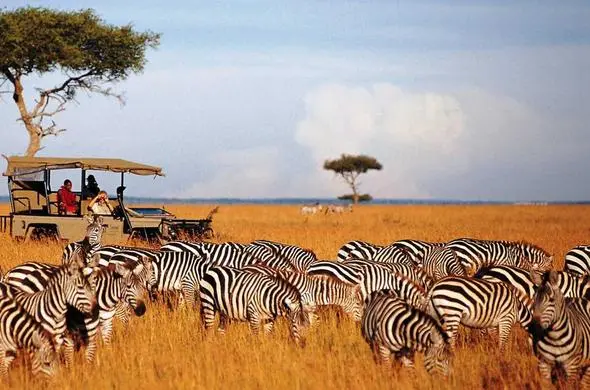
Maasai Mara National Reserve is one of Africa’s most famous wildlife destinations, located in southwestern Kenya along the border with Tanzania. Tourists often ask why it is so popular, and the answer lies in its exceptional wildlife density, dramatic landscapes, and iconic role in the Great Migration. The reserve covers about 1,510 square kilometers of savannah plains, rolling hills, and riverine forests, providing ideal habitats for lions, cheetahs, elephants, giraffes, zebras, and wildebeest. Its close proximity to the Serengeti in Tanzania allows for seamless wildlife movement, especially during the annual migration, making Maasai Mara a must-visit destination for safari enthusiasts.
Visitors often ask about the best times to visit and the activities available. The Great Migration, usually between July and October, is the most spectacular period when millions of wildebeest, zebras, and gazelles cross rivers and plains, attracting predators and creating unforgettable wildlife encounters. Beyond game drives, tourists can experience hot air balloon safaris, guided walking safaris, and cultural visits to Maasai villages to learn about the traditions, lifestyle, and crafts of the Maasai people. Photography, birdwatching, and nature walks are also popular activities, offering both adventure and educational opportunities.
Tourists also want practical information about access, accommodation, and regulations. Maasai Mara is accessible by road from Nairobi or via small domestic flights to airstrips within the reserve. Accommodation ranges from luxury lodges and tented camps to budget-friendly campsites, often located near prime wildlife viewing areas. Visitors are required to follow strict rules, including staying in designated areas, maintaining safe distances from animals, and respecting local communities. With its world-class wildlife, dramatic landscapes, and rich Maasai culture, Maasai Mara National Reserve offers an unforgettable safari experience that draws travelers from around the globe.e of the most reliable safari experiences in Africa due to its year-round wildlife presence.
2. Nairobi City
Nairobi City is Kenya’s capital and one of Africa’s most dynamic urban centers, known for its unique blend of modern city life and close proximity to wildlife. Tourists often ask what makes Nairobi special, and the standout feature is Nairobi National Park, located just minutes from the city center, where visitors can see lions, rhinos, giraffes, and buffalo against a backdrop of skyscrapers. Beyond wildlife, Nairobi is a major business and cultural hub, offering museums, markets, restaurants, and vibrant nightlife that reflect Kenya’s diversity and energy.
Visitors frequently ask what there is to see and do in Nairobi. Popular attractions include the David Sheldrick Wildlife Trust, where orphaned elephants are cared for, the Giraffe Centre, and the Karen Blixen Museum, which tells the story of colonial-era Kenya. For shopping and culture, tourists can explore local markets, modern malls, and art centers showcasing Kenyan fashion, crafts, and music. The city also serves as a key gateway for safaris to Maasai Mara, Amboseli, and other national parks, making it an important starting or ending point for many travelers.
Tourists also want practical information about safety, access, and accommodation. Nairobi is well connected through Jomo Kenyatta International Airport and an extensive road network linking it to other parts of Kenya. Accommodation options range from luxury hotels and serviced apartments to budget hostels and guesthouses. Like any large city, visitors are advised to stay aware of their surroundings, use reputable transport, and follow local guidance. With its mix of wildlife, culture, business, and urban life, Nairobi City offers travelers a lively and distinctive African city experience.rovides insight into modern Kenya alongside conservation and history.
3. Amboseli National Park
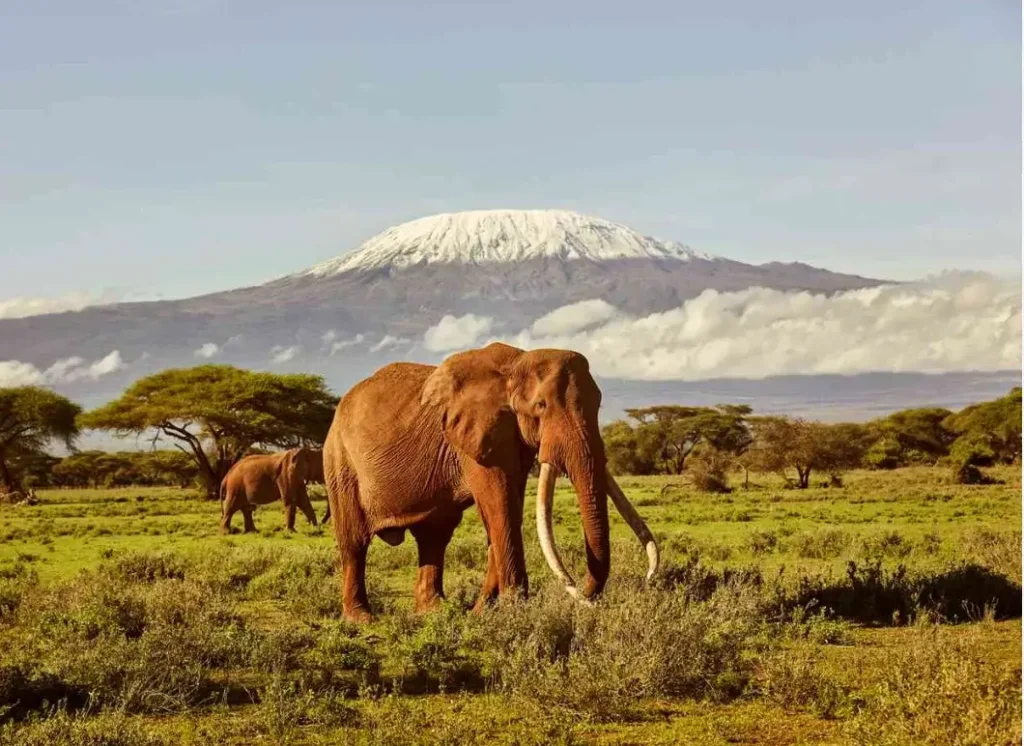
Amboseli National Park is one of Kenya’s most iconic wildlife destinations, located in the country’s southern region near the border with Tanzania. Tourists often ask what makes Amboseli special, and the clear answer is its stunning views of Mount Kilimanjaro, Africa’s highest mountain, which forms a dramatic backdrop to the park’s open plains. The park is relatively small, covering about 392 square kilometers, but it is renowned for its large herds of elephants, many with impressive tusks, as well as lions, cheetahs, buffaloes, giraffes, zebras, and a wide variety of bird species.
Visitors commonly ask about the best activities and times to visit. Game drives are the main attraction, offering excellent wildlife viewing due to the park’s flat terrain and open visibility. The dry seasons, from June to October and January to February, are generally the best times to visit, as animals gather around swamps and water sources fed by underground rivers from Mount Kilimanjaro. Birdwatching is particularly rewarding, especially around the wetlands, and cultural visits to nearby Maasai communities give tourists insight into traditional lifestyles and customs.
Tourists also want practical details about access, accommodation, and park rules. Amboseli is accessible by road from Nairobi, taking around 4–5 hours, or by domestic flights to nearby airstrips. Accommodation ranges from luxury lodges and tented camps with views of Kilimanjaro to more affordable lodges outside the park. Visitors are required to follow park regulations, including staying on designated tracks and maintaining safe distances from wildlife. With its iconic scenery, rich wildlife, and cultural experiences, Amboseli National Park offers a classic and unforgettable African safari experience.hy.
4. Lake Nakuru National Park
Lake Nakuru National Park is one of Kenya’s most popular and scenic national parks, located in the Great Rift Valley about 160 kilometers northwest of Nairobi. Tourists often ask what makes it special, and the main highlight is Lake Nakuru itself, a shallow alkaline lake famous for attracting large numbers of flamingos and other water birds. The park is also an important sanctuary for wildlife, including both black and white rhinos, making it one of the best places in Kenya to see these endangered species in a protected environment.
Visitors frequently ask about wildlife viewing and activities. Game drives are the primary activity, offering opportunities to see lions, leopards, buffaloes, giraffes, zebras, and various antelope species within a relatively compact area. The park’s mix of lake, grassland, and wooded areas makes wildlife spotting easier, especially during the dry season when animals gather near water sources. Birdwatching is exceptional, with over 400 bird species recorded, making the park a favorite for nature lovers and photographers.
Tourists also want practical information about access, accommodation, and regulations. Lake Nakuru National Park is easily accessible by road from Nairobi, typically taking about 3 hours, which makes it ideal for short safaris or day trips. Accommodation options include lodges inside the park and hotels in Nakuru town nearby. Visitors are required to follow park rules, such as staying in vehicles except in designated areas and respecting wildlife at all times. With its rich birdlife, strong conservation focus, and diverse wildlife, Lake Nakuru National Park offers a rewarding and accessible safari experience.d.
5. Mount Kenya National Park
Mount Kenya National Park is a UNESCO World Heritage Site and one of Kenya’s most important natural landmarks, centered around Mount Kenya, the country’s highest mountain and Africa’s second-highest peak. Tourists often ask what makes it special, and the answer lies in its dramatic landscapes and biodiversity. The park features snow-capped peaks, alpine meadows, dense forests, and deep valleys, creating a striking contrast of ecosystems. It is also home to wildlife such as elephants, buffaloes, leopards, hyenas, and a wide variety of bird species, especially in the lower forest zones.
Visitors commonly ask about activities and difficulty levels. Mount Kenya is a top destination for trekking, hiking, and mountaineering, with routes suitable for both experienced climbers and less technical hikers. While technical climbing skills are required to reach the highest peaks—Batian and Nelion—many visitors aim for Point Lenana, which is accessible to fit hikers without advanced climbing experience. The park also offers nature walks, birdwatching, and scenic photography, allowing visitors to enjoy the mountain without necessarily attempting a summit.
Tourists also want practical details about access, accommodation, and regulations. Mount Kenya National Park is accessible by road from Nairobi, usually taking 3–4 hours, and by domestic flights to nearby airstrips. Accommodation ranges from mountain lodges and huts within the park to hotels and guesthouses in surrounding towns. Visitors are required to follow park regulations, including using registered guides on certain routes and respecting wildlife and fragile ecosystems. With its majestic scenery, outdoor adventures, and ecological importance, Mount Kenya National Park offers a rewarding experience for nature lovers and adventure travelers alike.rienced climbers and scenic trails for casual hikers.
6. Diani Beach
Diani Beach is one of Kenya’s most popular coastal destinations, located south of Mombasa along the Indian Ocean. Tourists often ask what makes Diani special, and the answer is its long stretch of white sandy beach, clear turquoise waters, and relaxed tropical atmosphere. The beach is lined with palm trees and protected by coral reefs offshore, which help keep the waters calm and ideal for swimming. Diani consistently ranks among Africa’s best beaches due to its natural beauty, cleanliness, and well-developed tourist facilities.
Visitors commonly ask about activities and experiences in Diani Beach. The area offers a wide range of water-based activities, including snorkeling, scuba diving, kite surfing, jet skiing, and deep-sea fishing. Nature lovers can visit nearby attractions such as the Shimba Hills National Reserve for wildlife and scenic views, or take boat trips to explore coral reefs and marine life. Diani also has a vibrant dining and nightlife scene, with beach restaurants, cafés, and bars offering both local and international cuisine.
Tourists also want practical information about access, accommodation, and local tips. Diani Beach is accessible by road or domestic flights from Mombasa, with Ukunda Airstrip serving the area. Accommodation ranges from luxury beachfront resorts and boutique hotels to budget guesthouses and apartments. Visitors are advised to respect local culture, dress modestly away from the beach, and follow marine conservation guidelines. With its combination of stunning beaches, diverse activities, and laid-back coastal charm, Diani Beach offers an ideal beach holiday experience in Kenya.
7. Lamu Island
Lamu Island is a historic and culturally rich island off the northern coast of Kenya, known for its well-preserved Swahili heritage and slow, traditional way of life. Tourists often ask what makes Lamu unique, and the answer is its authenticity and history. Lamu Old Town, a UNESCO World Heritage Site, is one of the oldest continuously inhabited towns in East Africa, featuring narrow alleyways, coral-stone buildings, carved wooden doors, and centuries-old mosques. Motor vehicles are rare, with donkeys and boats serving as the main forms of transport, giving the island a peaceful, timeless atmosphere.
Visitors commonly ask about activities and experiences on Lamu Island. Exploring Lamu Old Town on foot allows tourists to learn about Swahili culture, architecture, and daily life. Dhow sailing along the coast and to nearby islands is a popular activity, offering scenic views and a traditional maritime experience. Visitors can also relax on Shela Beach, known for its quiet, unspoiled sands, or attend cultural events such as the Lamu Cultural Festival, which celebrates local music, crafts, and traditions.
Tourists also want practical information about access, accommodation, and local customs. Lamu Island is accessible by air via Manda Airport, followed by a short boat transfer to the island. Accommodation ranges from boutique hotels and historic guesthouses to beachfront lodges, many designed in traditional Swahili style. Visitors are encouraged to dress modestly, especially in town, and to respect local customs and religious practices. With its deep cultural roots, historic charm, and tranquil coastal setting, Lamu Island offers a unique and enriching travel experience in Kenya.
8. Tsavo East and Tsavo West National Parks
Tsavo East and Tsavo West National Parks together form one of Kenya’s largest and most important wildlife conservation areas, covering over 22,000 square kilometers. Tourists often ask what makes Tsavo special, and the answer is its vast wilderness, diverse landscapes, and rich wildlife. Tsavo East is known for its open plains, red-soil landscapes, and large herds of elephants famously dusted red by the soil, while Tsavo West is more rugged and scenic, featuring volcanic hills, lava flows, springs, and dense bush. Together, they offer a classic and varied safari experience.
Visitors commonly ask about wildlife viewing and activities. Both parks are home to elephants, lions, leopards, buffaloes, giraffes, zebras, and numerous antelope species. Tsavo West is also known for attractions such as Mzima Springs, where visitors can see hippos and crocodiles in crystal-clear water, and the Shetani Lava Flows, which highlight the park’s volcanic history. Game drives are the main activity in both parks, with Tsavo East offering easier wildlife spotting due to its open terrain, while Tsavo West provides more scenic and diverse safari routes.
Tourists also want practical information about access, accommodation, and regulations. Tsavo East and West are easily accessible by road or train from Nairobi and Mombasa, making them popular choices for short and long safaris. Accommodation ranges from luxury lodges and tented camps to mid-range and budget options within and around the parks. Visitors are required to follow park rules, including staying on designated tracks and maintaining safe distances from wildlife. With their size, diversity, and dramatic landscapes, Tsavo East and Tsavo West National Parks offer an unforgettable safari experience for travelers seeking adventure and authentic African wilderness.ari circuits.
9. Hell’s Gate National Park
Hell’s Gate National Park is a unique and scenic park located in Kenya’s Great Rift Valley, about 90 kilometers northwest of Nairobi near Lake Naivasha. Tourists often ask what makes it different from other parks, and the key feature is the freedom it offers visitors to explore on foot or by bicycle. Unlike most national parks in Kenya, Hell’s Gate allows walking and cycling among wildlife such as zebras, giraffes, buffaloes, and antelopes, making it a favorite for travelers seeking an active and immersive outdoor experience. The park is also known for its dramatic landscapes, including towering cliffs, deep gorges, geothermal features, and volcanic formations.
Visitors commonly ask about activities and attractions in the park. Cycling through the park is one of the most popular activities, offering close-up views of wildlife and stunning scenery. Hiking in Hell’s Gate Gorge allows tourists to explore narrow canyons, hot springs, and geothermal vents, though guided hikes are recommended for safety. Rock climbing on Fischer’s Tower and scenic picnics near the cliffs are also popular. The park’s geothermal activity has inspired nearby geothermal power plants and is believed to have influenced the scenery in the animated film The Lion King.
Tourists also want practical information about access, accommodation, and safety. Hell’s Gate is easily accessible by road from Nairobi, typically taking about 2 hours, making it ideal for day trips. Accommodation is available in nearby Lake Naivasha, ranging from lodges and campsites to hotels. Visitors are advised to check weather conditions before entering the gorge, follow ranger guidance, and stay alert to wildlife while walking or cycling. With its adventure-focused activities and striking natural features, Hell’s Gate National Park offers a distinctive and memorable experience in Kenya’s Rift Valley.tions.
10. Samburu National Reserve
Samburu National Reserve is a distinctive wildlife destination in northern Kenya, located along the banks of the Ewaso Nyiro River. Tourists often ask what makes Samburu unique, and the answer lies in its semi-arid landscapes, strong cultural identity, and rare wildlife species not commonly seen in southern Kenya. The reserve is famous for the “Samburu Special Five”: Grevy’s zebra, reticulated giraffe, Somali ostrich, beisa oryx, and gerenuk. In addition to these, visitors can see elephants, lions, leopards, cheetahs, and a wide variety of bird species, especially around the river.
Visitors commonly ask about activities and the best time to visit. Game drives are the main attraction, with the Ewaso Nyiro River acting as a lifeline that draws animals throughout the year. The dry season, from June to October, is particularly good for wildlife viewing, as animals gather near water sources. Cultural visits to nearby Samburu villages are also popular, allowing tourists to learn about the traditional lifestyle, dress, and customs of the Samburu people, who are closely related to the Maasai.
Tourists also want practical information about access, accommodation, and park rules. Samburu National Reserve can be reached by road from Nairobi, usually taking 5–6 hours, or by domestic flights to nearby airstrips. Accommodation ranges from luxury lodges and tented camps overlooking the river to mid-range lodges and budget campsites. Visitors are required to follow conservation rules, such as staying on designated tracks and respecting wildlife and local communities. With its unique species, dramatic scenery, and rich culture, Samburu National Reserve offers an authentic and rewarding safari experience in northern Kenya.
Best Time to Visit Kenya
The best time to visit Kenya depends on what travelers want to experience, but overall the country is a year-round destination. Most tourists consider the dry seasons—January to February and June to October—as the best times to visit. During these months, weather conditions are generally pleasant, roads are more accessible, and wildlife is easier to spot as animals gather around water sources. These periods are ideal for safaris in parks such as Maasai Mara, Amboseli, Tsavo, and Samburu.
For wildlife enthusiasts, timing is especially important. The Great Migration in the Maasai Mara usually takes place between July and October, when millions of wildebeest and zebras cross from the Serengeti into Kenya, offering dramatic river crossings and predator action. This is Kenya’s peak tourist season, with excellent game viewing but higher prices and more visitors. The January–February dry season is also excellent for safaris, with fewer crowds and good visibility, particularly for birdwatching and predator sightings.
Beach lovers often ask when to visit Kenya’s coast, including Diani Beach, Lamu, and Watamu. The best time for coastal travel is from December to March and July to October, when the weather is warm, sunny, and less humid. The long rainy season (March to May) brings heavy rains that can affect safari conditions but offers greener landscapes, fewer tourists, and lower travel costs. Ultimately, the best time to visit Kenya depends on personal interests—whether wildlife, beaches, culture, or budget—but careful planning ensures a rewarding experience at any time of year.
Why Kenya Stands Out as a Travel Destination
Kenya stands out as a travel destination because it offers a rare combination of spectacular wildlife, stunning landscapes, rich culture, and adventure experiences. Tourists are drawn to the country for its world-famous national parks and reserves, including Maasai Mara, Amboseli, Tsavo, and Samburu, where visitors can witness lions, elephants, rhinos, cheetahs, and the dramatic Great Migration. Beyond safaris, Kenya’s diverse geography ranges from snow-capped Mount Kenya and the Great Rift Valley to pristine Indian Ocean beaches, providing travelers with a variety of experiences within one country.
Another reason Kenya stands out is its cultural richness and heritage. With over 40 ethnic communities, including the Maasai, Samburu, and Swahili coastal communities, visitors have the opportunity to experience traditional dances, crafts, and lifestyles. Historic sites like Lamu Old Town and Bagamoyo, along with museums and cultural centers, showcase the country’s centuries-old trade, colonial, and Swahili history. Travelers can combine wildlife adventures with cultural immersion, gaining a deeper understanding of Kenya’s people and traditions.
Kenya also excels in accessibility and infrastructure for tourism. The country has well-developed airports, roads, and a range of accommodation options, from luxury lodges and boutique hotels to budget-friendly guesthouses and campsites. Adventure seekers can trek Mount Kenya, hike in Hell’s Gate, or explore the Rift Valley’s lakes and gorges, while beach lovers can unwind on Diani, Lamu, or Watamu. With its combination of iconic wildlife, breathtaking landscapes, cultural depth, and travel convenience, Kenya consistently ranks among Africa’s most compelling and unforgettable destinations.
Explore More Travel Guides
- The Big 5 in Tanzania: Your Ultimate Wildlife Safari Guide
- 5 Best Places to Visit in Zanzibar: A Complete Travel Guide
- Choma Waterfalls Morogoro: A Complete Visitor’s Guide
- Best Places to Visit in Arusha, Tanzania – Complete Travel Guide
- 8 Places to Visit in Tanzania Mainland: Your Ultimate Travel Guide
Final Thoughts
In conclusion, Kenya offers an extraordinary mix of wildlife, landscapes, culture, and adventure, making it one of Africa’s most compelling travel destinations. From the sweeping plains of Maasai Mara and Amboseli, where elephants roam and predators hunt, to the scenic highlands of Mount Kenya and the dramatic gorges of Hell’s Gate, the country provides experiences that appeal to every type of traveler. Coastal gems like Diani, Lamu, and Watamu add sun, sand, and relaxation to a journey filled with exploration and discovery.
Kenya’s national parks and reserves are world-renowned for wildlife viewing, including rare species such as black rhinos, Grevy’s zebras, and the incredible spectacle of the Great Migration. Beyond the wilderness, the country’s rich cultural heritage—seen in Maasai villages, Swahili towns, and historical sites like Bagamoyo—offers travelers meaningful insight into centuries of tradition and history. Adventure seekers can hike, cycle, or even climb Africa’s second-highest peak, while those seeking tranquility can unwind along pristine beaches or explore serene lakes such as Naivasha and Turkana.
With well-developed tourism infrastructure, easy access by air and road, and a strong commitment to conservation, Kenya ensures that visitors can safely and comfortably experience its wonders. Whether your goal is a classic safari, a cultural immersion, or a beach getaway, Kenya delivers an unforgettable journey that combines excitement, beauty, and authenticity. For anyone planning an African adventure, Kenya’s diverse attractions make it a destination that will leave lasting memories and a desire to return.
